
Case Study: How Singapore SMEs Improved Sales Activity with Dashboard Alerts

Introduction to Dashboard Alerts
In the fast-paced business environment of Singapore, Small and Medium Enterprises (SMEs) are constantly seeking ways to enhance their sales activities. One effective solution that has emerged is the use of dashboard alerts. These alerts provide real-time updates and insights, allowing businesses to make informed decisions quickly.
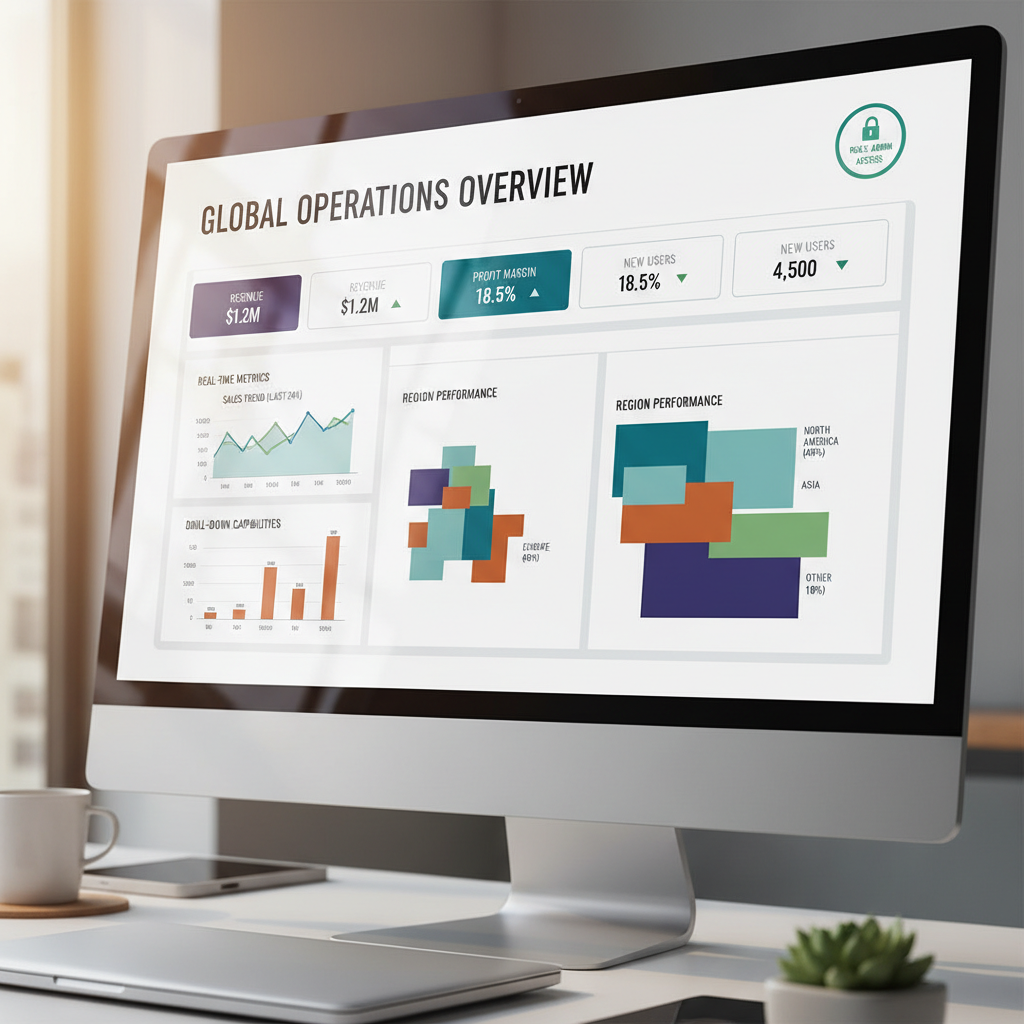
Dashboard alerts are integrated into existing business systems to facilitate seamless communication and data-driven strategies. This case study explores how various SMEs in Singapore have capitalized on these tools to boost their sales performance.
Challenges Faced by Singapore SMEs
Despite the robust economy, Singapore SMEs often encounter several challenges that hinder their sales activities. These include:
- Lack of timely data
- Inadequate communication between departments
- Difficulty in tracking sales performance
To address these issues, SMEs have turned to technology, with dashboard alerts proving to be an effective solution.
Implementing Dashboard Alerts
The implementation of dashboard alerts involves integrating them into the company's existing CRM and ERP systems. This integration allows for:
- Real-time monitoring of sales activities
- Automated alerts for significant sales events
- Enhanced coordination between sales and marketing teams
With these features, SMEs can ensure that no opportunity is missed.

Benefits of Using Dashboard Alerts
Several SMEs in Singapore have reported substantial improvements in their sales activities after integrating dashboard alerts. Key benefits include:
- Increased Sales Efficiency: Sales teams can quickly respond to leads and inquiries.
- Improved Decision-Making: Real-time data allows for strategic planning and adjustments.
- Enhanced Customer Satisfaction: Faster response times lead to better customer experiences.
These advantages contribute to a more streamlined and effective sales process.
Case Examples of Success
One notable example is a retail SME that saw a 30% increase in sales within three months of implementing dashboard alerts. By receiving instant notifications about customer inquiries and stock levels, the company was able to optimize its inventory and sales strategies efficiently.
Another SME in the service industry improved its customer response time by 40%, leading to higher customer retention rates. These success stories highlight the transformative potential of dashboard alerts.

Conclusion
Dashboard alerts have proven to be a powerful tool for Singapore SMEs looking to enhance their sales activities. By providing timely insights and fostering better communication, these alerts help businesses overcome common challenges and seize new opportunities.
As technology continues to evolve, SMEs that embrace such innovations are likely to maintain a competitive edge in the market. The case of Singapore SMEs demonstrates the significant impact that well-implemented dashboard alerts can have on business success.