
Exploring the Latest Trends in AI Automation Solutions


Artificial Intelligence (AI) automation solutions have been transforming industries worldwide. As technology evolves, businesses are increasingly adopting AI to streamline operations, enhance productivity, and drive innovation. In this blog post, we'll explore the latest trends in AI automation solutions and how they are reshaping the business landscape.
AI-Powered Process Automation
One of the most significant trends in AI automation is the use of AI-powered process automation. This involves integrating AI into business processes to automate routine tasks, reducing human error and increasing efficiency. Businesses are leveraging AI to automate tasks such as data entry, customer service, and even complex decision-making processes.

For example, AI-driven chatbots are now handling customer inquiries with remarkable accuracy and speed. These chatbots utilize natural language processing (NLP) to understand and respond to customer questions, providing a seamless customer experience. The adoption of AI in these areas not only saves time but also reduces operational costs.
Robotic Process Automation (RPA)
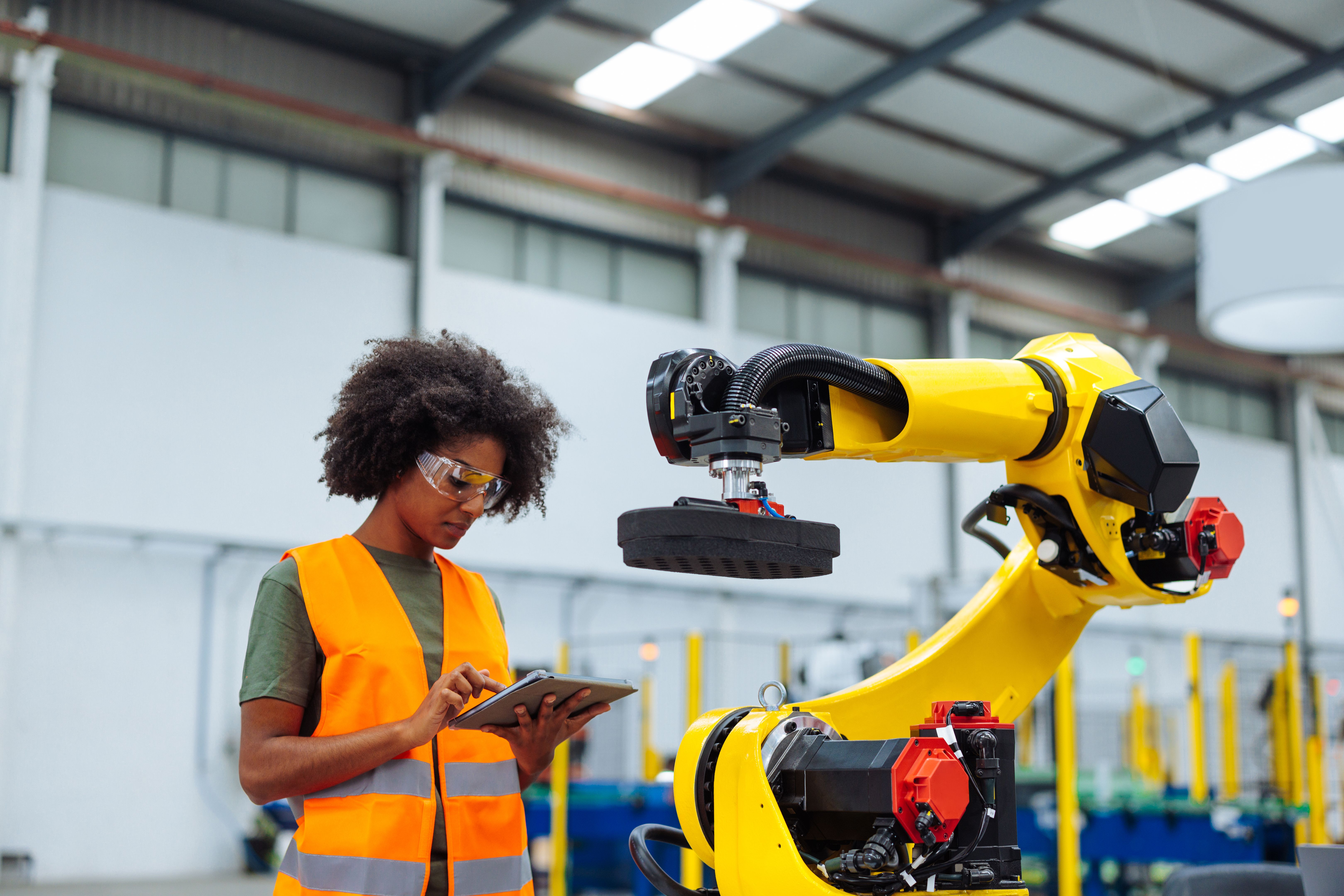
Robotic Process Automation (RPA) is another critical aspect of AI automation. RPA involves using software robots to automate repetitive tasks across various applications, enhancing productivity without altering existing systems. This trend is particularly beneficial for industries with high volumes of repetitive tasks, such as finance and healthcare.
RPA tools are becoming more sophisticated, incorporating AI capabilities to handle unstructured data and make informed decisions. This advancement allows businesses to automate more complex processes, freeing up human resources for strategic tasks that require creativity and problem-solving skills.
AI in Predictive Analytics
Predictive analytics is gaining traction as businesses realize the potential of AI in forecasting future trends. AI algorithms analyze historical data to identify patterns and predict future outcomes, enabling companies to make data-driven decisions. This trend is particularly valuable in sectors like retail, finance, and supply chain management, where anticipating market changes can be a game-changer.
By integrating AI into predictive analytics, businesses can optimize their inventory management, enhance customer experiences, and improve financial planning. The ability to anticipate customer needs and market shifts provides a competitive edge in today's fast-paced environment.

AI-Driven Personalization
Personalization has become a cornerstone of modern customer engagement strategies. AI-driven personalization involves leveraging machine learning algorithms to tailor experiences and recommendations for individual users. This trend is prevalent in industries like e-commerce and entertainment, where personalized experiences drive customer loyalty and satisfaction.
AI systems analyze user behavior and preferences to deliver content and product recommendations that align with individual interests. By offering personalized experiences, companies can build stronger relationships with their customers, increasing brand loyalty and retention.
Challenges and Future Outlook
Despite the promising trends, businesses face challenges in AI adoption, such as data privacy concerns and the need for skilled personnel. However, as technology advances, these challenges are being addressed through robust security measures and education initiatives.
Looking ahead, the future of AI automation solutions appears bright. As AI technology continues to evolve, we can expect even more innovative applications that will further transform industries and redefine how businesses operate. Staying ahead of these trends will be crucial for companies aiming to maintain a competitive edge.