
Maximizing Customer Engagement Through Automated Follow-Up Systems


Understanding Automated Follow-Up Systems
In today's fast-paced digital world, staying connected with customers is more crucial than ever. Automated follow-up systems enable businesses to maintain this connection effectively. These systems streamline communication processes, ensuring that no customer interaction falls through the cracks. By automating routine interactions, businesses can focus on more significant engagement strategies.
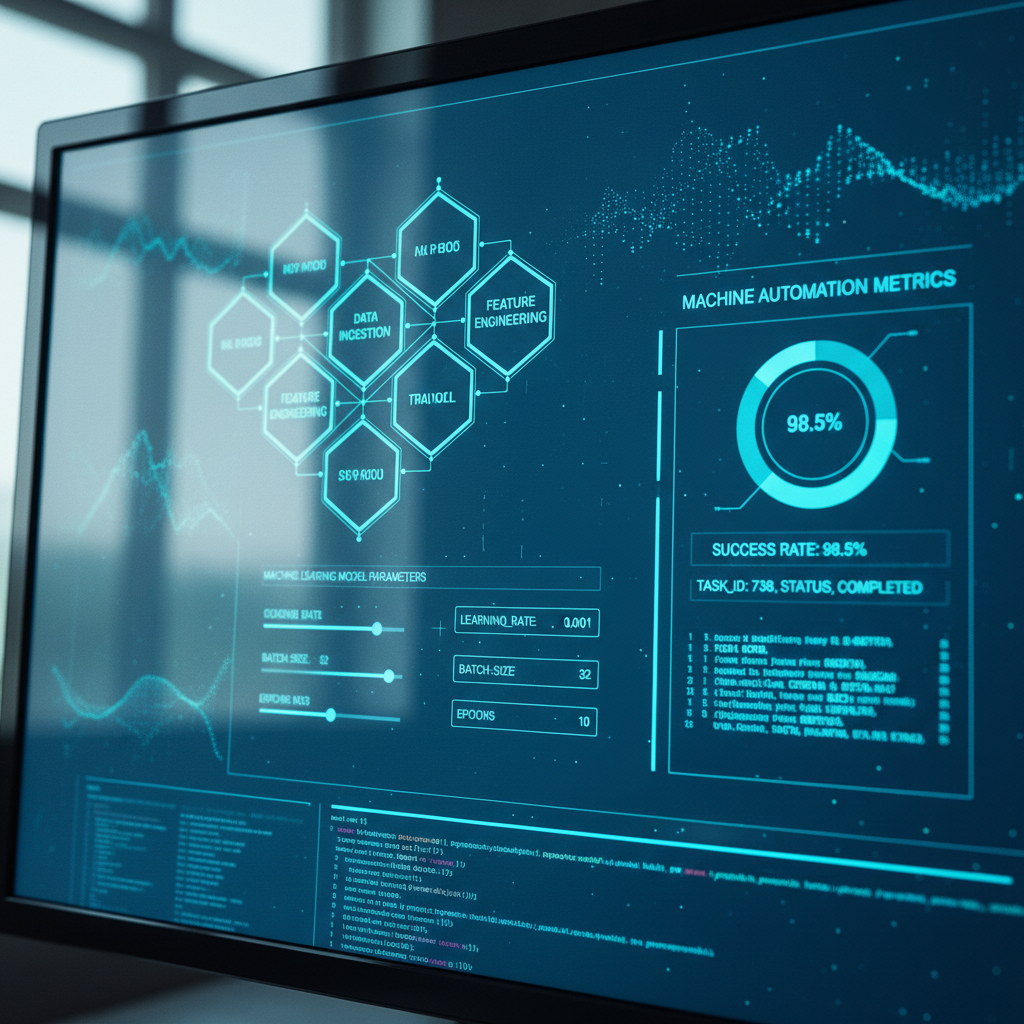
The implementation of automated follow-up systems can lead to increased customer satisfaction and loyalty. Through timely and personalized messages, customers feel valued and are more likely to engage with a brand. These systems can handle various communication channels, including emails, text messages, and social media, broadening the scope of customer interaction.
The Benefits of Automation
Automating follow-ups provides several advantages beyond just saving time. One of the primary benefits is consistency. With automation, every customer receives the same level of attention, ensuring that important information is never missed. This consistency helps in building trust and reliability.
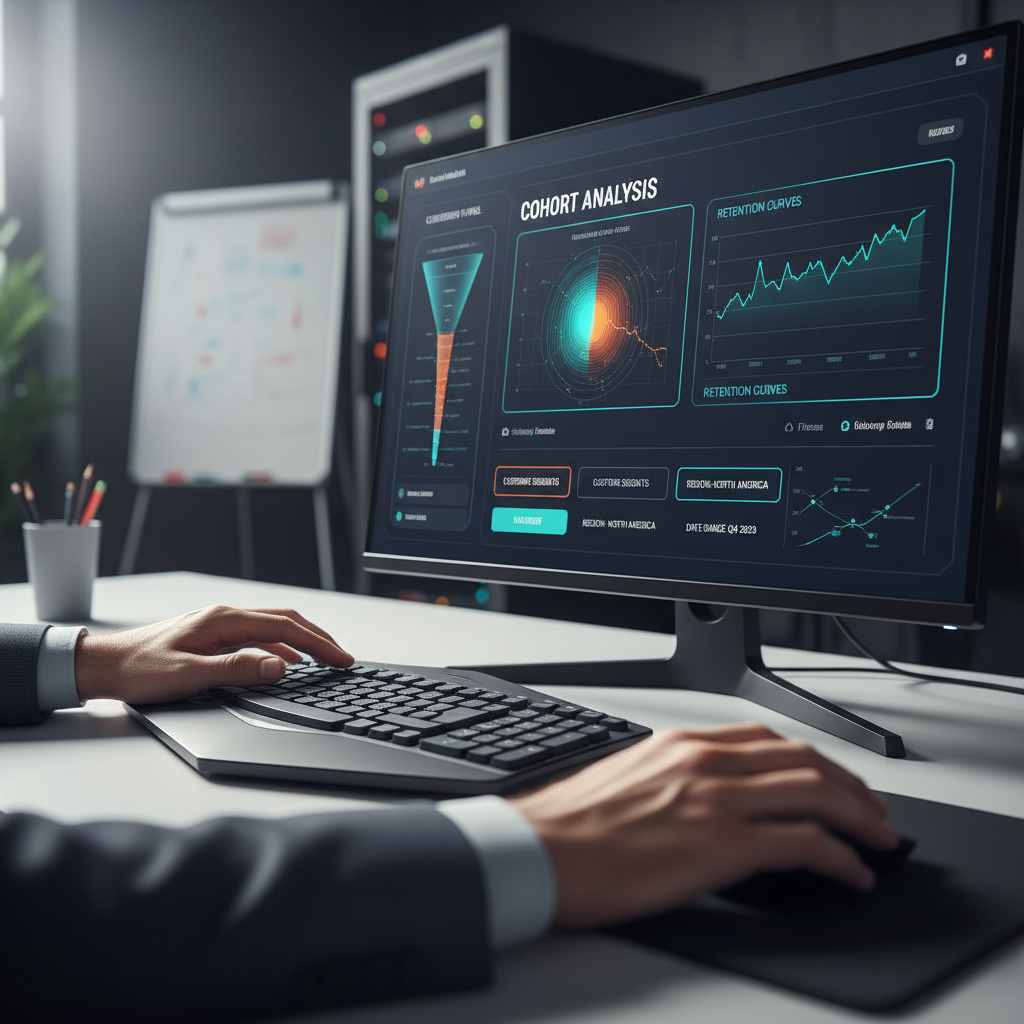
Additionally, automation allows businesses to gather valuable data on customer behavior. This data can be analyzed to tailor future interactions, making them more relevant and effective. By understanding customer preferences, businesses can craft messages that resonate more deeply with their audience.
Enhancing Personalization
Automated systems are not just about efficiency; they also enhance personalization. By using customer data, businesses can send targeted messages that match individual preferences and past interactions. Personalization fosters a sense of connection, encouraging customers to engage more actively.
For example, an automated system can send a follow-up email with product recommendations based on previous purchases. This level of personalization makes customers feel understood and valued, increasing the likelihood of repeat business.
Implementing an Automated Follow-Up Strategy
To maximize customer engagement through automated follow-up systems, businesses should start by defining clear goals. Determine what you want to achieve with your automated communications, whether it's increasing sales, improving customer satisfaction, or building brand loyalty.
- Identify key customer touchpoints that can benefit from automation.
- Select the right tools and platforms that align with your business needs.
- Develop a content strategy that includes personalized messaging.
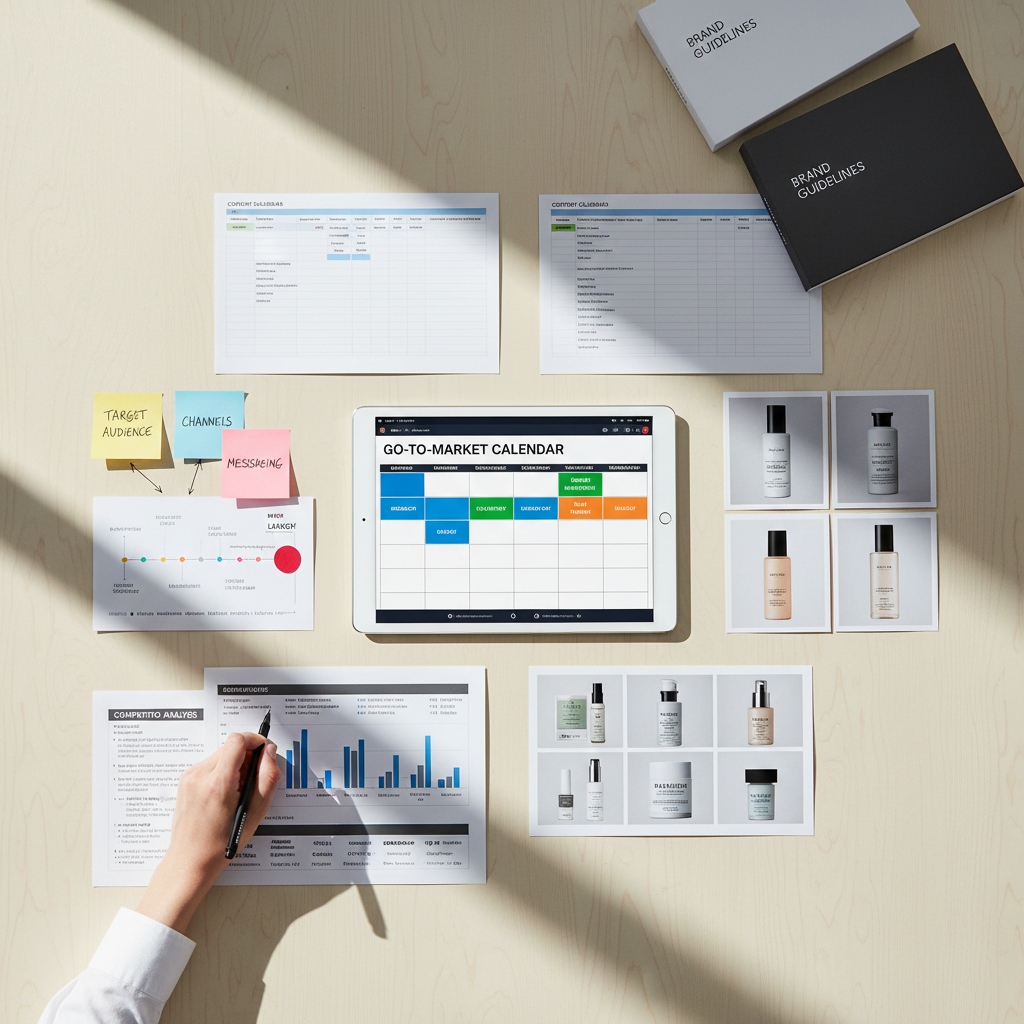
Once the strategy is in place, it’s essential to continuously monitor and adjust. Analyze the performance of automated messages and be ready to make changes based on customer feedback and engagement metrics. This iterative process ensures that the system remains effective and aligned with customer expectations.
Overcoming Challenges
While automated follow-up systems offer numerous benefits, businesses may face challenges during implementation. One common issue is over-automation, where messages become too frequent or impersonal. It's crucial to find a balance that maintains a human touch while leveraging automation's efficiency.
Another challenge is data management. Ensuring that customer data is accurate and up-to-date is vital for the success of automated systems. Businesses must invest in robust data management practices to support their automated strategies effectively.
By addressing these challenges thoughtfully, businesses can fully capitalize on the potential of automated follow-up systems to enhance customer engagement and drive success.