
Step-by-Step Guide to Implementing AI in Business Workflows for Singapore SMEs

Understanding the Importance of AI
Artificial Intelligence (AI) is revolutionizing industries worldwide, and Singapore SMEs are no exception. Implementing AI in business workflows can enhance efficiency, reduce costs, and drive innovation. For small and medium enterprises, integrating AI can seem daunting, but with a structured approach, it becomes manageable and rewarding.
Assessing Your Business Needs
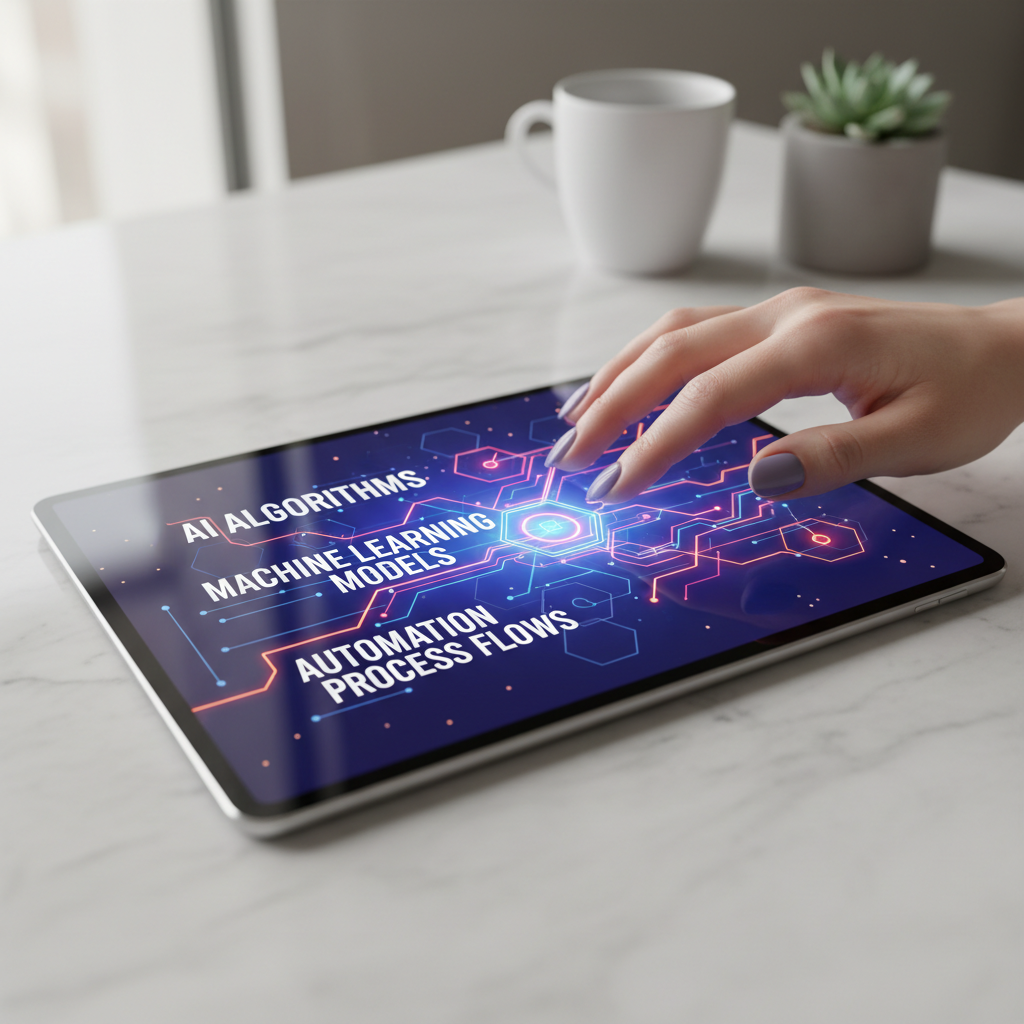
Before diving into AI solutions, it's crucial to understand your business needs. Identify areas where AI can add value, such as automating repetitive tasks or improving customer interactions. Consider conducting a SWOT analysis to evaluate your strengths, weaknesses, opportunities, and threats in relation to AI integration.
Identifying Potential AI Applications
Explore various AI applications that align with your business goals. Common applications include:
- Chatbots for customer service
- Predictive analytics for sales forecasting
- Image recognition for quality control
- Natural language processing for sentiment analysis
Researching AI Tools and Technologies
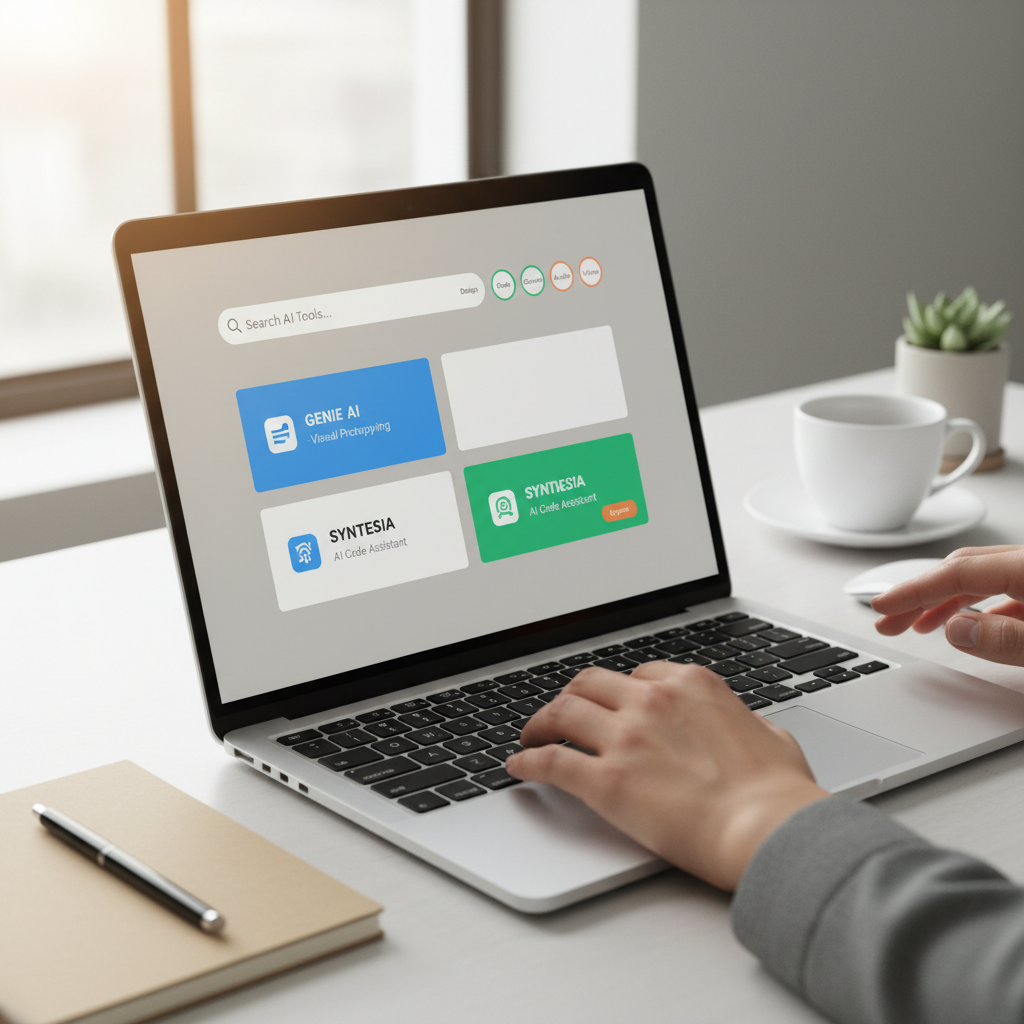
Once you've identified potential applications, research the AI tools and technologies available. There are numerous platforms and software options, ranging from open-source libraries to commercial solutions. Evaluate these tools based on ease of use, scalability, and compatibility with existing systems.
Engaging with AI Vendors
Engaging with AI vendors can provide insights into the best solutions for your needs. Vendors often offer consultations and demos, allowing you to understand how their tools fit into your workflows. Ensure they provide training and support to facilitate a smooth transition.
Developing an Implementation Plan
Creating a detailed implementation plan is critical. Define clear objectives, timelines, and milestones. Assign responsibilities to team members and establish metrics to measure success. A phased approach allows you to test and iterate, minimizing risks and ensuring a successful rollout.

Training and Upskilling Employees
Successful AI integration requires investing in your workforce. Provide training sessions to upskill employees, ensuring they are comfortable with new tools and processes. Encourage a culture of continuous learning to keep up with evolving AI trends.
Monitoring and Optimizing AI Systems
After implementation, continuously monitor your AI systems to ensure they meet business objectives. Collect feedback from users and stakeholders to identify areas for improvement. Regularly update and optimize your AI solutions to adapt to changing market conditions and technological advancements.
By following these steps, Singapore SMEs can effectively harness the power of AI to transform their business workflows, driving growth and innovation in a competitive landscape.